
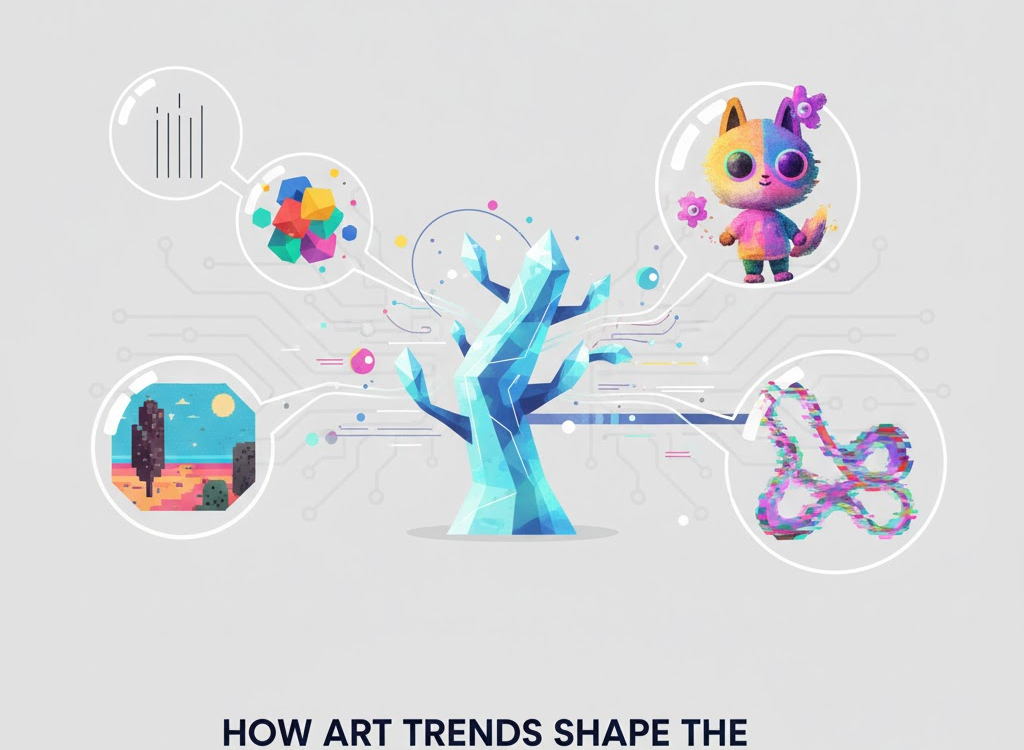
The trend on art contributes greatly to the development of the illustration process in terms of style, technique, theme, and the story on which an artist focuses. With the development of technology and the change of values in society, illustrators adjust their works to represent current problems and demands of the audience. This paper will discuss some of the major trends that are presently affecting the illustration industry and how they can affect the sphere in the future.
Effects of Technology on Illustration
Online Resources and Availability
The art industry has been revolutionized by the use of technology especially in the illustration industry. With the introduction of digital tools and platforms, the process of art creation has become democratized, and more artists have the chance to explore the methods that previously could be confined to traditional tools. Applications like Adobe illustrator, procreate, and other digital painting applications have transformed the illustration process of an illustrator and can create a high quality illustration more effectively.
Digital illustration has many benefits such as the fact that it is very easy to fix any errors, experiment and come up with a variety of versions of a work without the physical limitations that physical mediums provide. Moreover, the progress in hardware, such as graphics tablets and styluses, has helped artists to get used to the experience of drawing traditionally and at the same time embracing the versatility of digital media.
Immersive Technologies
The emergence of augmented reality (AR) and virtual reality (VR) technologies are also opening the doors to the immersive illustrations, wherein audiences will be able to experience art in a completely new manner. To illustrate, AR applications enable illustrators to develop overlaying experiences that mix both physical and digital realms and impress the audience with the illustration of the illustrations within their living spaces. With further growth of these technologies, they are likely to stimulate new strategies of telling stories and communicating visually in illustration.
Sustainable and Environmentally-Friendly Art
The Swing in the Lifestyle of Environmental Friendliness
With the growing environmental concerns in the world, sustainability is a concept that is being adopted by many artists. This is a trend that can be discussed as an increased awareness of the ecological consequences of the art materials and practices, as illustrators began searching for environmentally-friendly alternatives. Sustainable papers, inks that are non-toxic and digital practices, which aid in the reduction of wastes, have become a choice of many artists. The use of recycled materials in the traditional illustrations is becoming popular as well, and the artists can make their own unique pieces by reducing their impact on the environment.
Drawing Environmental Themes
Furthermore, natural, conservation, and sustainability-related illustrations are very emotional to the audiences that value eco-consciousness. More artists are turning to their platforms to protest against environmental issues and produce art that echoes the sense that the climate is time to take action, and that nature is beautiful. With this trend being ever-increasing, one can anticipate the use of more illustrations that showcase the idea of environmental concerns, reminding people about the connection with the planet.
Illustration: Diversity and Inclusion
Broadening Representation
The diversity and inclusion drive in the art world has resulted in increased voices and narrative in illustration. This tendency is associated with a social change towards more awareness concerning the significance of inclusiveness, and artists are inspired by different cultures, experiences, and identities. This diversity will help illustrators to diversify the narrative space of their art as they will produce illustrations that appeal to diverse audiences.
Raising Norms and Stereotypes
This inclusivity tendency is important because it questions the traditional norms and stereotypes that are usually found in visual storytelling. Artists are now taking on the themes of race, gender, sexuality, and other identity related elements and creating art that embodies the complexity of modern society. The more illustrators adopt this inclusiveness, the more styles, stories, and points of view may be presented in the illustrative world.
Less is More, Minimalism and Simplicity in Illustration
The Minimalism Aesthetic Growth
Minimalism has become a trend within the past years in other fields of art such as illustration. This direction is underlined by clean lines, minimal color schemes, and prioritizing basic items. Minimalistic illustrations have the tendency to present rather intricate ideas in a user-friendly and appealing manner. Minimalism is a beneficial strategy in the illustrators industry as the digital platforms will become clogged with content, and as a consequence, the need to create clear and simplified visuals will be expected.
The Effect of Simplicity in Communication
Minimalist illustration enables artists to condense their messages into simple shapes and make their productions more effective. Minimalism designs can be associated with a feeling of tranquility and clarity and attract viewers who are tired of the aesthetic clutter of contemporary living. The trend prompts illustrators to do a critical analysis of their pieces and intended messages, resulting in more purposeful and deliberate art.
Nostalgic and Retro Aesthetics
The Power of Nostalgia in Art
Nostalgia is influential in art and retro has resurged considerably in illustration. The trend is based on the inspiration of vintage styles, including old-fashioned packaging, comic books, and the old color palettes. These elements are being used by illustrators to create a feeling of familiarity and comfort in their work, as well as to attract the audiences in the longing to the simpler times. This renaissance of retro aesthetics is a personal reminiscence and a reference that reaches wider and cultural allusions that are cross-generational.
Blending Old and New Styles
The nostalgia movement can be found in the revival of the past forms of illustration, e.g., hand-drawn typography and collage, in reference to older arts. Using the old styles without forgetting the modern themes, illustrators can come up with work that is fresh and yet familiar. This combination of history and the present enables the artists to create new stories without forgetting their past which influenced them and their art.
The Social Media in the Production of Illustration
Reinventing Artist-Audience Interaction
The social media platforms have changed the manner in which artists distribute their work and mutual interaction with the audience. Social media such as Instagram, Tik Tok, or Pinterest have proven to be the most vital tools to illustrators, as these platforms allow them to display their processes, give tips, and interact with their followers in real-time. This ease of access has created a trend that has developed very fast with artists being able to modify their work quite fast to capture what is happening at the time or culture.
Creating Society and Discovering Motivation
Social media can be viral and therefore illustrations can reach an international audience eliminating geographical boundaries that previously restricted artists’ exposure. This democratization of art offers a much more robust variety of voices to be listened to, and it promotes cooperation and experimentation in styles and cultures. As illustrators work their way through this digital scenery, the work of their contemporaries tends to inspire them and they start to create new trends and aesthetic movements.
In summary: The Future of Illustration
The trend in art is a great determinant of how illustration will be in the future, as it is behind transformation in styles, subject matter and interaction with the audience. With the advance of technology, sustainability will be considered important, and diversity will be welcome, illustrators will keep changing and evolving. Being sensitive to such trends, artists will be able to keep their work relevant and effective, in accordance with the constantly changing reality of the modern world.
The illustration future will be vivid, non-sectarian and not stagnant and possibilities of creative expression are infinite. By adopting these trends, illustrators will be able to establish their own identities in the art world; this will help them to create a rich and diverse visual culture. With their experimentation of new mediums, techniques, and stories, it is certain that the future of illustration will be defined by the unity of talents that will fear to break the rules and shatter the molds. By doing so, they will send a message to the future generations of illustrators that this art form has an endless potential.