
Digital art is a dynamic field and, so, to keep up with the times it is necessary to search the new techniques of visual editing that will be able to bring your projects to the next level. Technology and trends change, and this gives artists a chance to explore new techniques that bring a high level of creativity and overall quality of their work. This guide will explore some of the innovative methods of visual editing that will enable artists to go to the extremes and come up with beautiful pieces.
Understanding Innovative Visual Editing
Innovative visual editing is the use of new ideas and technology in image and graphic manipulation. This may include special color grading methods, texturing techniques and structure, which enable artists to invent special effects and styles. Adopting new methods does not only add more significance to your artwork, but it also makes your projects stand out in the competitive environment.
Key Innovative Techniques
1. Dynamic Color Grading
Color grading is not only about fixing the colors anymore, but about the development of a particular mood or atmosphere. Artists can add emotion to their work by taking the chance to introduce more sophisticated color grading technology. Such programs as Adobe Premiere Pro and DaVinci Resolve have some potential color grading options that enable a person to control hues, saturation and contrast using a precise control. The attempt to experiment with color schemes may result in original visual stories of your image.
2. 3D Integration
Adding 3D images to 2D paintings may produce a visual impact. The software such as blender or cinema 4D enables artists to create and manipulate 3D models, which can be incorporated into a conventional artwork. The method is very dimensional and realistic giving it the capability to produce creative pieces that merge various dimensions in a harmonious way.
3. Texturing Techniques
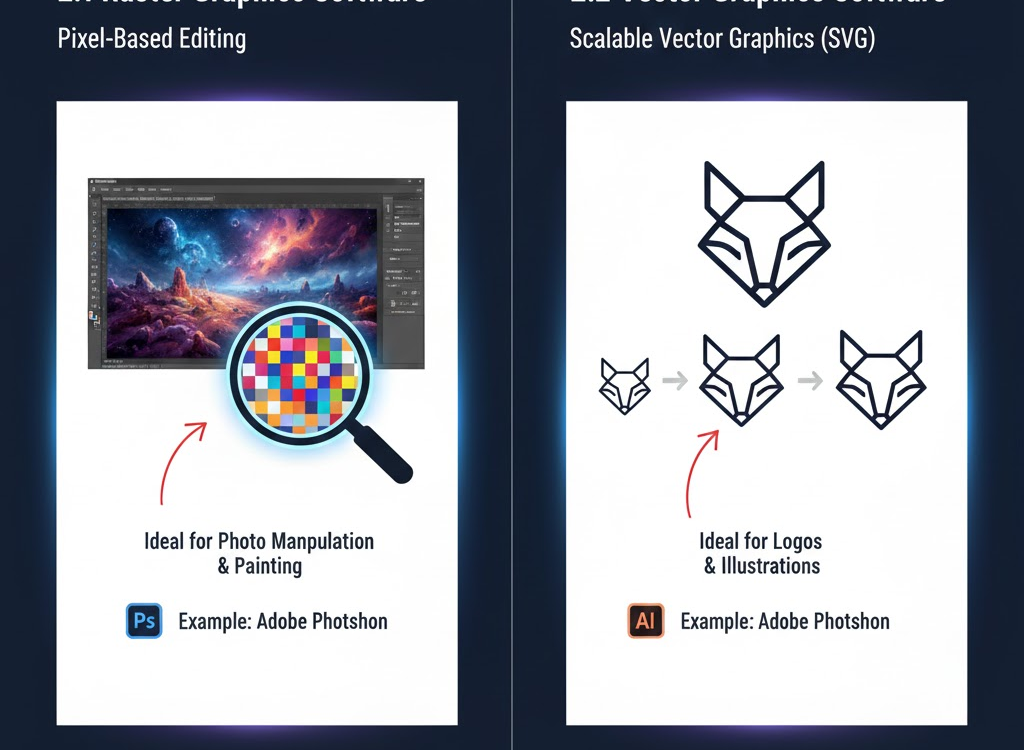
Digital art can be improved in terms of its sense of touch, with the help of innovative texturing approaches. Artists have the ability to make their own textures either through Adobe Photoshop or Substance Painter. The use of textures may bring depth and interest making flat pictures multidimensional works of art. Visual effects can be produced by using non-traditional materials: fabric, metal or organic surfaces.
4. Motion Graphics and Animation
Motion can be considered to give life to the work of art by adding motion to the stagnant images. The use of motion graphics and animation enables artists to make images dynamic, thus attracting the viewers. Elements in a composition can be animated using software such as Adobe After Effects and they give a sense of flow in the narrative, which captures attention. Even basic animation (little motions or effects) may help a lot to make your painting more powerful.
5. Augmented Reality (AR) Integration
The experience of art is being transformed by augmented reality. The combination of AR technology allows artists to develop immersive experiences between the real world and the virtual one. The use of such tools as ARKit or ARCore allows artists to create applications that will help viewers to interact with their art in real-time. This new thinking method does not only interest audiences, it also creates new horizons of creativity.
6. AI-Driven Editing
Artificial intelligence is changing the editing process, and it provides tools that may make it more creative and efficient. The AI-based software can be used to automate repetitive tasks, propose color palettes, or even create design elements according to the preferences of the user. Through AI, artists will have better time to concentrate on the creative vision and also simplify the technical elements involved in editing.
Practical Tips for Implementation
To effectively incorporate these innovative techniques into your artistic projects, consider the following tips:
Be free to experiment: There is nothing wrong with trying new tools and techniques. The process of exploration may give new and surprising outcomes.
Keep Updated: Be on top of the trends in digital art and visual editing. Copy best practices of the leaders in the industry, participate in workshops and online communities.
Record Your Procedure: Record your experiments and methods. This record may assist you in honing your abilities and monitor your creative progress.
Conclusion
It is necessary to explore new ways of visual editing to help artists make their projects unique and stay above the others in a saturated environment. Using dynamic color grading, 3D integration, texturing, motion graphics, augmented reality, and AI-driven editing, you are able to highlight your creative expression and involve your audience in a new way. Online art is constantly changing and through being inquisitive and willing to experiment you will be able to push the boundaries of your artistic pursuits at all times.
FAQs
What are innovative visual editing techniques? The methods are called innovative and innovative ways of editing images and graphics to boost artistic works.
Which software is best for innovative visual editing?Applications such as Adobe Photoshop, Blender, and After Effects are the good ones, and there are also AI-based tools that streamline processes in the creative industry.
How can I implement these techniques in my work?To be able to successfully incorporate novel techniques in your projects, it is possible to experiment, to be aware of fads and trends and to make your creative process a documented process.